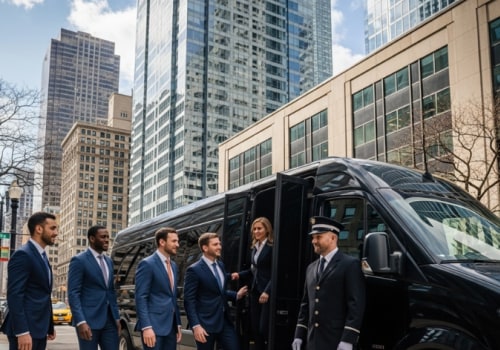
Major commercial renovations often bring significant disruption to daily business operations, especially when executives, clients, and stakeholders still need to access the property. Coordinating executive transportation during these projects requires careful planning to maintain professionalism, safety, and efficiency. Construction zones can create blocked entrances, limited parking, and heavy equipment traffic, all of which complicate arrivals and departures. A strategic transportation plan ensures that leadership teams can move seamlessly between locations without delays or unnecessary stress. Clear communication between renovation managers, transportation providers, and company staff is essential to avoid confusion and maintain productivity.
Establishing Safe and Efficient Access Points
One of the first considerations during large-scale renovations is determining safe access points for executive transportation. Temporary entrances may need to be established if primary entryways are under construction. Designated drop-off and pick-up zones should be clearly marked and positioned away from high-traffic construction areas. Signage, security personnel, and traffic flow adjustments help ensure that executives and visiting clients can navigate the site confidently. By mapping out routes in advance, transportation providers can avoid bottlenecks and reduce the risk of delays caused by construction vehicles or equipment.
Scheduling Around Construction Phases
Renovation projects often move through phases that affect access differently over time. Coordinating transportation schedules with the construction timeline minimizes disruption. For example, deliveries of materials or large-scale debris removal may temporarily block driveways or loading docks. Being aware of such schedules allows transportation coordinators to adjust arrival times or reroute vehicles accordingly. This proactive approach keeps executive travel efficient and prevents last-minute complications. Maintaining regular communication with site managers ensures that any unexpected changes are addressed promptly.
Managing Site Logistics and Waste Removal
Construction sites generate significant debris and require organized waste management to maintain safety and efficiency. Large equipment, supply deliveries, and waste containers can occupy valuable space that would otherwise be used for parking or vehicle access. Proper planning includes accounting for essential services like dumpster rentals in Frankfort, KY to keep debris contained and work areas clear. When waste management is handled efficiently, the site remains more organized, reducing hazards and making it easier to coordinate transportation routes for executive vehicles.
Prioritizing Professionalism and Client Experience
Even during renovations, businesses must maintain a polished image. Executive transportation plays a crucial role in preserving professionalism, particularly when welcoming investors or high-profile clients. Clean, well-maintained vehicles, courteous drivers, and clearly marked arrival points create a positive first impression despite ongoing construction. Offering advance instructions, maps, or concierge-style assistance further enhances the experience. These small details demonstrate that the organization remains attentive and organized, even in the midst of transformation.
Leveraging Technology for Coordination
Modern technology can significantly streamline transportation coordination. GPS tracking, real-time communication apps, and digital scheduling platforms enable transportation teams to adapt quickly to changing site conditions. Drivers can receive instant updates about blocked routes or temporary access changes, ensuring timely arrivals. Additionally, providing executives with mobile updates enhances transparency and reduces uncertainty.
Ensuring Seamless Operations During Renovation
Coordinating executive transportation during major commercial renovations requires foresight, collaboration, and attention to detail. By establishing safe access points, aligning schedules with construction phases, managing site logistics, and prioritizing professionalism, businesses can maintain operational continuity. Thoughtful planning ensures that leadership and clients experience minimal disruption, allowing the renovation process to progress smoothly while preserving the organization’s reputation and efficiency.